

A Parkinson’s diagnosis can feel overwhelming at first. Families often have one big question. What happens next?
The truth is that many individuals living with Parkinson’s disease continue to live meaningful, active lives for years. With the right structure, support, and awareness, managing Parkinson’s disease at home is absolutely possible. The key is understanding how mobility changes, tremors, and daily living challenges evolve.
Parkinson’s disease is a progressive neurological condition that affects movement, coordination, and balance. While symptoms vary from person to person, thoughtful in-home care for Parkinson’s can help preserve independence and confidence.
Understanding Parkinson’s Symptoms at Home
Parkinson’s disease affects the brain’s ability to produce dopamine, which plays a major role in movement control. Over time, individuals may experience:
- Tremors, often beginning in the hands
- Slowed movement known as bradykinesia
- Muscle stiffness
- Balance challenges
- Changes in posture
- Fatigue
Managing Parkinson’s disease at home starts with recognizing these symptoms early and adapting the environment to reduce risk.
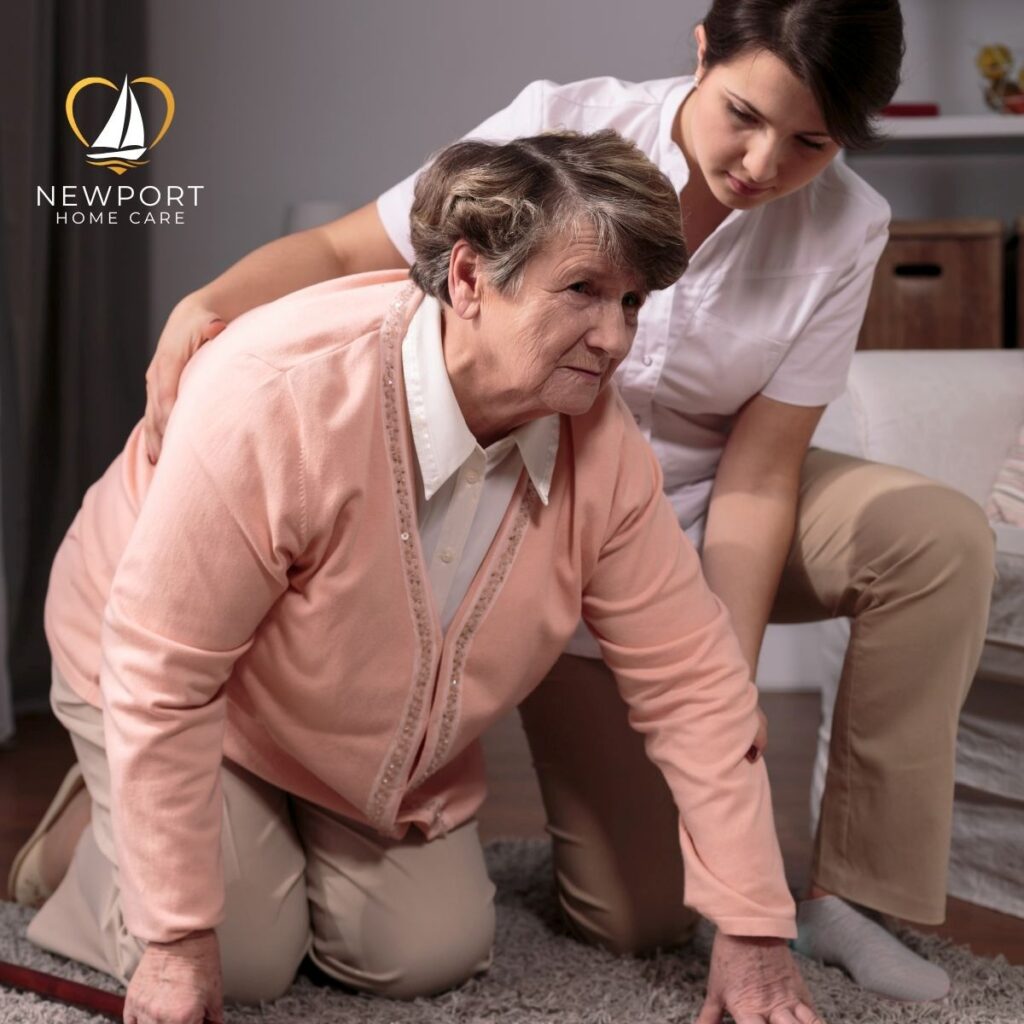
Mobility tends to become the most noticeable challenge. Simple tasks like standing up from a chair or turning around in tight spaces may take longer. Tremor management also becomes part of daily life, especially during eating, writing, or dressing.
Managing Tremors with Practical Strategies
Tremor management is one of the most visible aspects of Parkinson’s disease at home. Tremors can make daily tasks frustrating, but simple tools and adjustments can restore confidence.
Weighted utensils can help stabilize hand movements during meals. Adaptive clothing with magnetic closures or Velcro reduces the difficulty of dressing. Electric toothbrushes and razors simplify grooming.
Encouraging patience during tasks matters just as much as physical tools. Rushing increases stress, which can intensify tremors. Calm routines and extra time create a more supportive atmosphere.
Medication timing is also critical. Parkinson’s medications work best when taken consistently. Structured in-home care for Parkinson’s often includes medication reminders to ensure effectiveness.
Supporting Mobility and Strength
Daily living with Parkinson’s requires regular movement. While mobility may slow, gentle exercise helps maintain strength and flexibility.
Short walks, guided stretching, and balance exercises support muscle tone. Physical therapy can also be beneficial. Many individuals benefit from exercises specifically designed for Parkinson’s mobility support.
Encouraging movement throughout the day prevents stiffness from worsening. Even small activities such as standing during television commercials or practicing simple chair exercises contribute to overall well-being.
The goal is not intense workouts. It is consistency.
Navigating Daily Living Activities
Activities of daily living, such as bathing, dressing, cooking, and grooming, can gradually become more challenging. This is where personalized in-home care for Parkinson’s makes a difference.
Caregivers can assist with tasks while encouraging independence. For example, a caregiver may prepare clothing in advance, allowing the individual to dress at their own pace. In the kitchen, ingredients can be prepped while the person remains involved in cooking.
This balanced approach supports dignity. It reinforces capability rather than taking over completely.
Fatigue also plays a role in daily living with Parkinson’s. Planning activities during peak energy hours helps prevent exhaustion. Many individuals feel stronger in the morning, making that an ideal time for appointments or errands.
Emotional Health and Social Connection
Parkinson’s disease affects more than mobility. Mood changes, anxiety, and depression can occur. Maintaining social interaction becomes especially important.
Isolation often worsens symptoms. Regular visits from friends, family, or professional caregivers provide emotional stability. Conversation, shared meals, or light activities help maintain cognitive engagement.
In-home care for Parkinson’s includes companionship alongside physical assistance. This dual support promotes overall wellness.
When Additional Support Is Needed
As Parkinson’s progresses, increased support may be necessary. Signs that professional senior home care services may help include:
- Frequent falls
- Difficulty managing medications
- Increased freezing episodes
- Growing caregiver fatigue
- Challenges with personal hygiene
Professional caregivers trained in managing Parkinson’s disease understand mobility fluctuations and safety protocols. They provide structure and reassurance for both the individual and the family.
Having support in place early often prevents complications and hospitalizations.
Living Well with Parkinson’s at Home
Managing Parkinson’s disease at home requires patience, preparation, and compassion. While symptoms may evolve, quality of life can remain strong with thoughtful adjustments and consistent support.
Parkinson’s mobility support, tremor management strategies, and personalized daily routines allow individuals to remain active participants in their own lives. The focus shifts from limitation to adaptation.
Home remains a powerful source of comfort. With the right environment and structured in-home care for Parkinson’s, living at home continues to feel safe and empowering.
Parkinson’s may change the pace of life, but it does not remove purpose, connection, or dignity. With understanding and proactive care, daily living with Parkinson’s can remain meaningful and fulfilling.
Living Well with Parkinson’s: Expert Home Care That Supports Independence
If your loved one is living with Parkinson’s disease and you are exploring supportive options at home, Newport Home Care is here to guide you.
Our experienced caregivers provide personalized in-home care for Parkinson’s designed to enhance mobility, manage daily routines, and promote safety with compassion and professionalism.
Contact Newport Home Care today to discuss how structured, reliable senior home care services can help your family navigate Parkinson’s with confidence and peace of mind.
Contact Us | In-Home Care Experts Newport Beach, CA
Follow us on: